Introduction
Nitrous oxide, frequently called laughing gas or N2O, has actually discovered its place in various industries-- from cooking arts to medicine. Nevertheless, with the increasing popularity of Nang Tanks and nitrous oxide tanks, it's crucial to guarantee safety while utilizing these containers. Whether you're a chef utilizing cream battery charger nang tanks for whipped cream or someone checking out the recreational usage of laughing gas, comprehending how to deal with these tanks securely is vital.
In this detailed guide, we'll delve into the complexities of nitrous oxide usage, https://jsbin.com/bipeqomuya preventative measures needed for managing N2O tanks, and finest practices to ensure a safe experience when handling Nang canisters With that stated, let's explore how to securely use nitrous oxide tanks: suggestions and precautions.
What Are Nitrous Oxide Tanks?
Understanding Nitrous Oxide
Nitrous oxide (N2O) is a colorless and odorless gas commonly used in different applications. It acts as a propellant in whipped cream dispensers and can likewise be utilized for anesthesia in medical settings.
Composition of Nitrous Oxide Tanks
Nitrous oxide tanks are typically made from high-strength steel or aluminum developed to hold up against high pressure. They include compressed N2O at pressures between 750-900 psi.
Types of Nitrous Oxide Tanks
Cream Battery charger Cylinders: These are little cylinders filled with nitrous oxide mostly utilized for whipping cream. Large Nitrous Tanks: Often utilized in larger-scale applications such as catering services or restaurants. Disposable vs Refillable: Some nitrous oxide canisters are intended for single-use while others can be refilled.How to Safely Utilize Nitrous Oxide Tanks: Tips and Precautions
Understanding how to securely utilize nitrous oxide tanks is vital. Here are some necessary tips:
Proper Storage of Nitrous Oxide Tanks
- Store your nitrous tanks upright in a cool, dry place. Avoid direct exposure to sunlight or heat sources that might jeopardize the tank's integrity. Secure the tank with straps or chains to avoid tipping over.
Handling Nitrous Oxide Canisters
When handling Nang canisters:
- Always use gloves when managing the tanks. Check for leaks before use by using soapy water around the nozzle; bubbles indicate getting away gas.
Using Protective Gear
Investing in protective equipment like goggles and gloves ensures you minimize risks connected with unintentional leakages or bursts during operation.
Transporting Nitrous Oxide Tanks Safely
When transporting N2O tanks:
- Ensure they're protected upright in your vehicle. Never leave them in a hot cars and truck as severe temperatures may cause tank failure.
Recognizing Signs of Harmful Conditions
Identifying Leakages in N2O Tanks
A hissing noise might suggest a leakage. If you presume leak:
Evacuate the location immediately. Ventilate by opening windows if indoors. Contact emergency services if necessary.Understanding Overpressure Situations
Overpressure can happen due to extreme heating or overfilling:

- Regularly examine pressure assesses on bigger nitrous tanks. Do not exceed recommended fill limits specified by manufacturers.
Common Uses of Nitrous Oxide Tanks
Culinary Applications
Nitrous oxide plays a necessary role in gastronomy-- particularly in creating whipped toppings using cream battery charger cylinders. The gas instills air into creams, resulting in a light texture best for desserts.
Medical Utilization
In medical settings, N2O serves as an analgesic and anesthetic agent during treatments, providing pain relief without total sedation.
Recreational Use
While some people abuse nitrous oxide recreationally (frequently described as "whippits" or "nossies"), it is crucial to recognize the potential dangers included with such practices.
Legal Factors to consider Surrounding Nitrous Oxide Usage
Understanding regional laws relating to the purchase and use of N2O is vital:
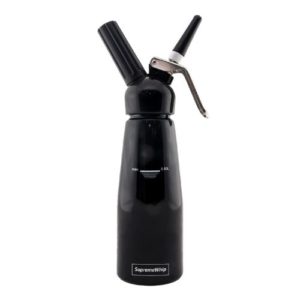
In many jurisdictions, acquiring big amounts may raise suspicion about intent for illegal drug use. Always adhere strictly to developed standards within your location concerning N2O usage.
Frequently Asked Concerns (Frequently asked questions)
What is the main function of nitrous oxide?
Nitrous oxide serves numerous purposes consisting of culinary applications (like whipped cream), medical anesthesia, and even leisure satisfaction among certain groups.
Is utilizing Nang cans safe?
When used effectively according to safety standards, Nang cans are generally safe; however, misuse positions health risks.
Can I refill my nitrous oxide tank myself?
Refilling should only be performed by trained specialists-- trying self-refill increases dangers substantially due to high-pressure systems involved.
What should I do if I inhale excessive nitrous oxide?
If somebody inhales extreme quantities of laughing gas, instant medical attention is needed as this might lead to unconsciousness or more extreme conditions like hypoxia.
How do I understand if my tank is empty?
Most nitrous tanks have pressure gauges indicating staying levels; if uncertain, weigh the tank-- empty ones will feel considerably lighter than full ones.
Are there any adverse effects from using nitrous oxide?
Short-term results include dizziness and bliss; long-lasting misuse might lead to major health complications such as vitamin B12 deficiency affecting neurological functions.
Conclusion
Using nitrous oxide tanks needs careful attention towards safety procedures and comprehending their appropriate use across different contexts-- whether culinary arts or medicine. By following these tips and safety measures detailed above concerning storage, dealing with, transport, acknowledging hazardous conditions in addition to legal factors to consider surrounding their use allows individuals to enjoy the advantages securely while reducing threats included with mishandling these effective tools like Nang cylinders and nitrogen bottles responsibly.
Remember always prioritize security whenever using cream chargers, making sure a satisfying experience without compromising your wellness!